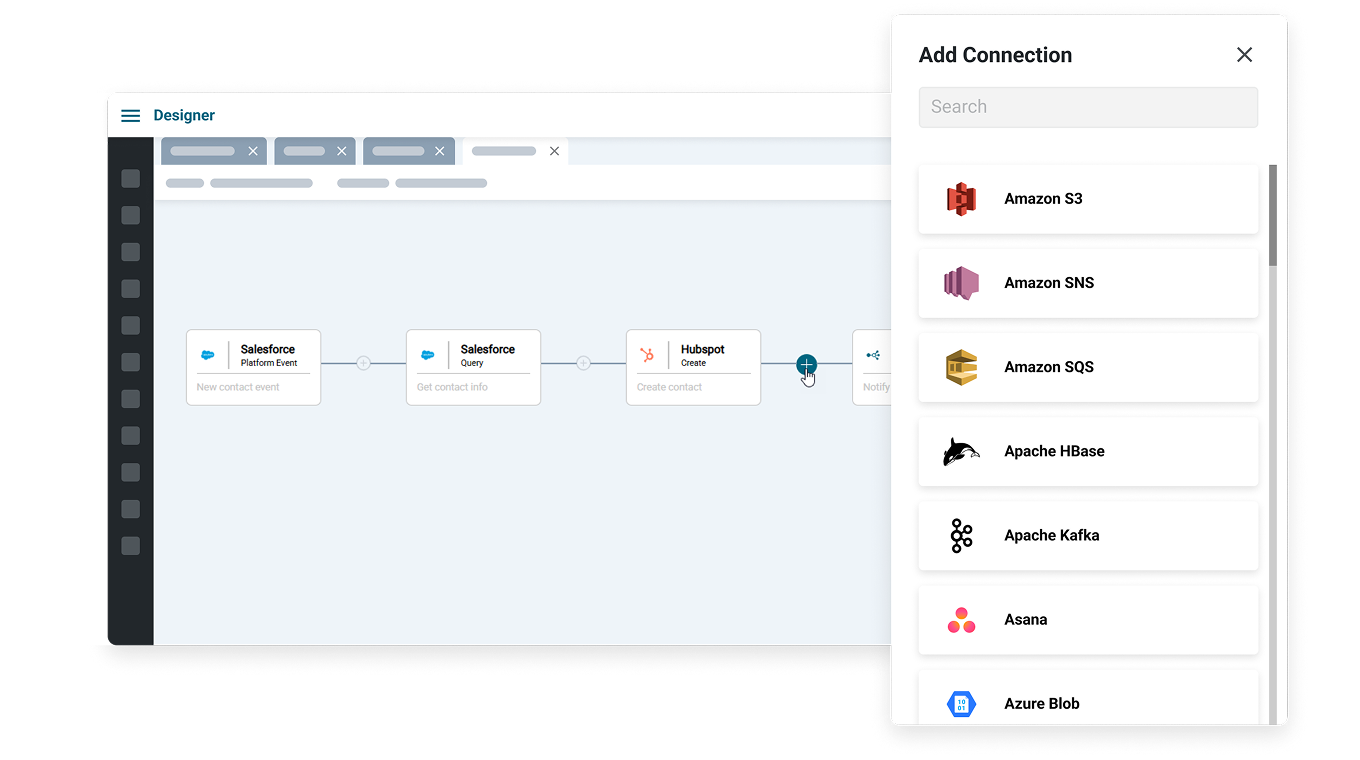
What is Integration Platform as a Service (iPaaS)?
An Integration Platform-as-a-Service (iPaaS) is a cloud-based integration solution for connecting any combination of on-premises and cloud-based applications and data across any number of organizations. It provides the tools needed to create, govern, and secure all your cloud-to-cloud, cloud-to-ground, and ground-to-cloud integrations to make real-time connectivity simple, seamless, scalable, and secure.
iPaaS platform capabilities: simplify enterprise integration, propel innovation

Simplify cloud and on-premises connections with one iPaaS platform
Simplify current and future integrations by creating standardized virtual models for the data used across your entire architecture

Accelerate project delivery with low-code iPaaS
Easily build integrations that deliver innovative new experiences to market nearly 10X faster than without an iPaaS

Enable self-service integration for citizen integrators
Reduce the risks of shadow IT by enabling citizen integrators to build new integrations with less involvement from IT

Scale gracefully across the hybrid integration platform
Create repeatable integration patterns to eliminate the hassle and complexity of starting from scratch for each new integration.
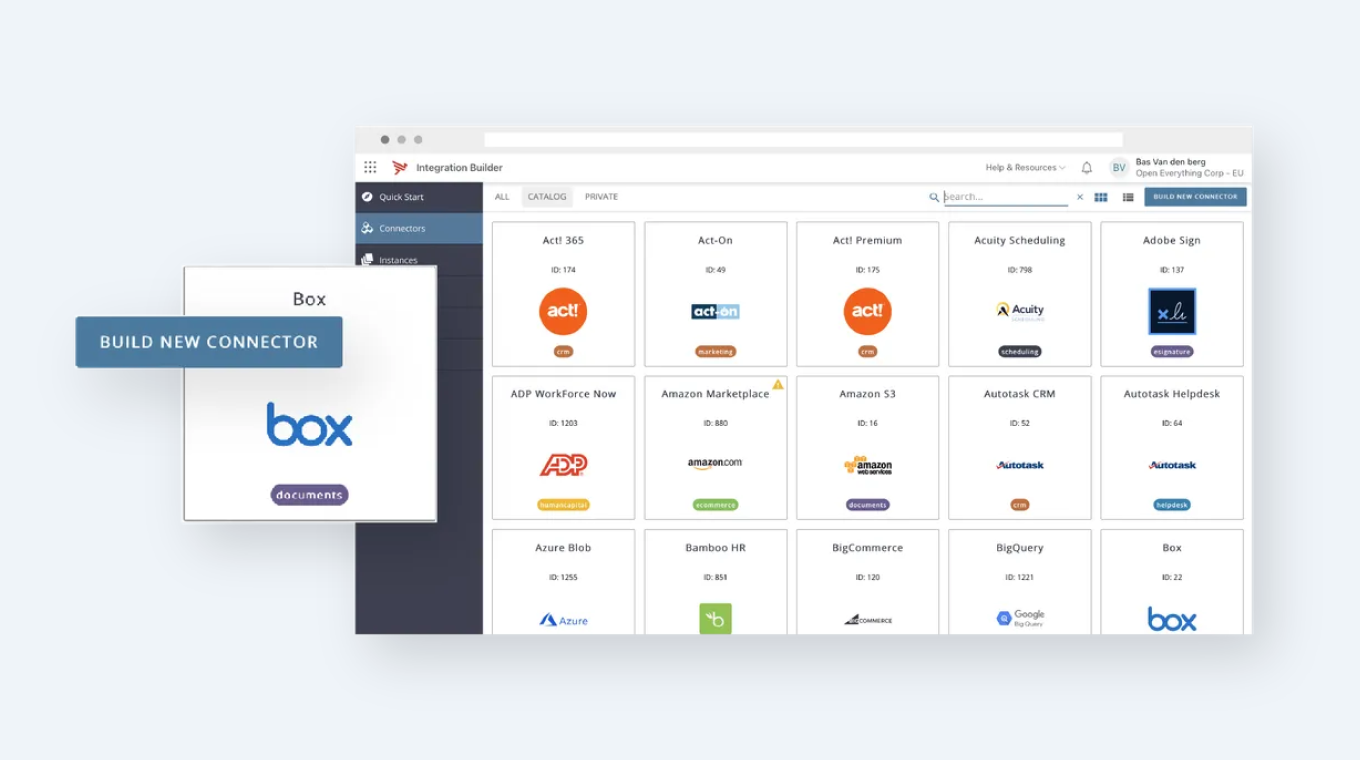
Common iPaaS use cases
Application integration: connect SaaS, custom, and on-premises apps without custom code.
API-led integration: combine iPaaS with API management to publish, secure, and reuse integrations as APIs.
B2B and partner integration: onboard trading partners and exchange EDI and API traffic through a single iPaaS platform.
Cloud migration and AWS integration: integrate AWS workloads with on-premises systems during and after cloud migration.
Data integration and synchronization: keep customer, product, and order data consistent across systems in real time.
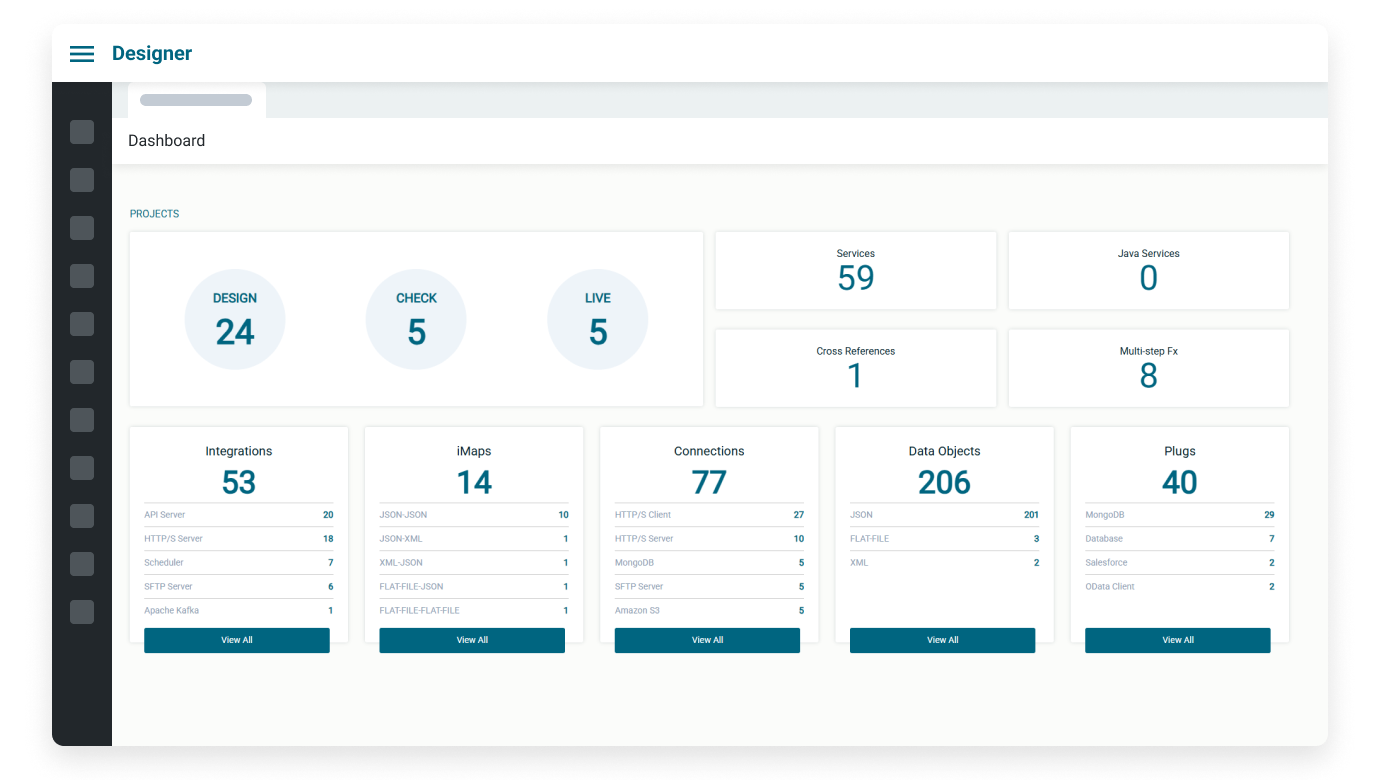
iPaaS vs. ESB and traditional middleware
Where ESB, ETL, and custom middleware require deep specialist skills and long delivery cycles, an iPaaS platform delivers the same connectivity in the cloud — with low-code tooling, built-in governance, and elastic scale — so business and IT teams can deliver integrations together.
Frequently asked questions about iPaaS
What does iPaaS stand for?
iPaaS stands for Integration Platform as a Service — a cloud-based platform for building, deploying, and managing integrations between applications, APIs, and data sources.
What is the definition of iPaaS?
The iPaaS definition is straightforward: a cloud service that provides the tools to create, govern, and secure integrations across cloud and on-premises systems, without installing or maintaining integration middleware yourself.
How is iPaaS different from API management?
API management focuses on publishing, securing, and monitoring APIs. iPaaS focuses on connecting applications and data. A modern hybrid integration platform like Axway Amplify combines both so you can build an integration once and expose it as a managed API.
What are common iPaaS use cases?
Typical iPaaS use cases include application integration, B2B and EDI integration, cloud migration (including AWS, Azure, and GCP), data synchronization, and API-led automation across hybrid environments.
Who uses iPaaS?
iPaaS is used by enterprise IT teams, integration developers, and citizen integrators in lines of business who need to connect SaaS apps, on-premises systems, and partner networks quickly and securely.
How do I choose an iPaaS vendor?
Evaluate iPaaS vendors on hybrid (cloud and on-premises) support, API management depth, B2B and EDI capabilities, governance and security, low-code experience, and pricing. Axway's iPaaS solution is built into the Amplify hybrid integration platform.


